A VPN costing $3.49 a month on the sign-up page can cost $139 a year after its intro term ends. And it still won't show you what Google shows a reader in another country, which is the reason many bloggers buy one.
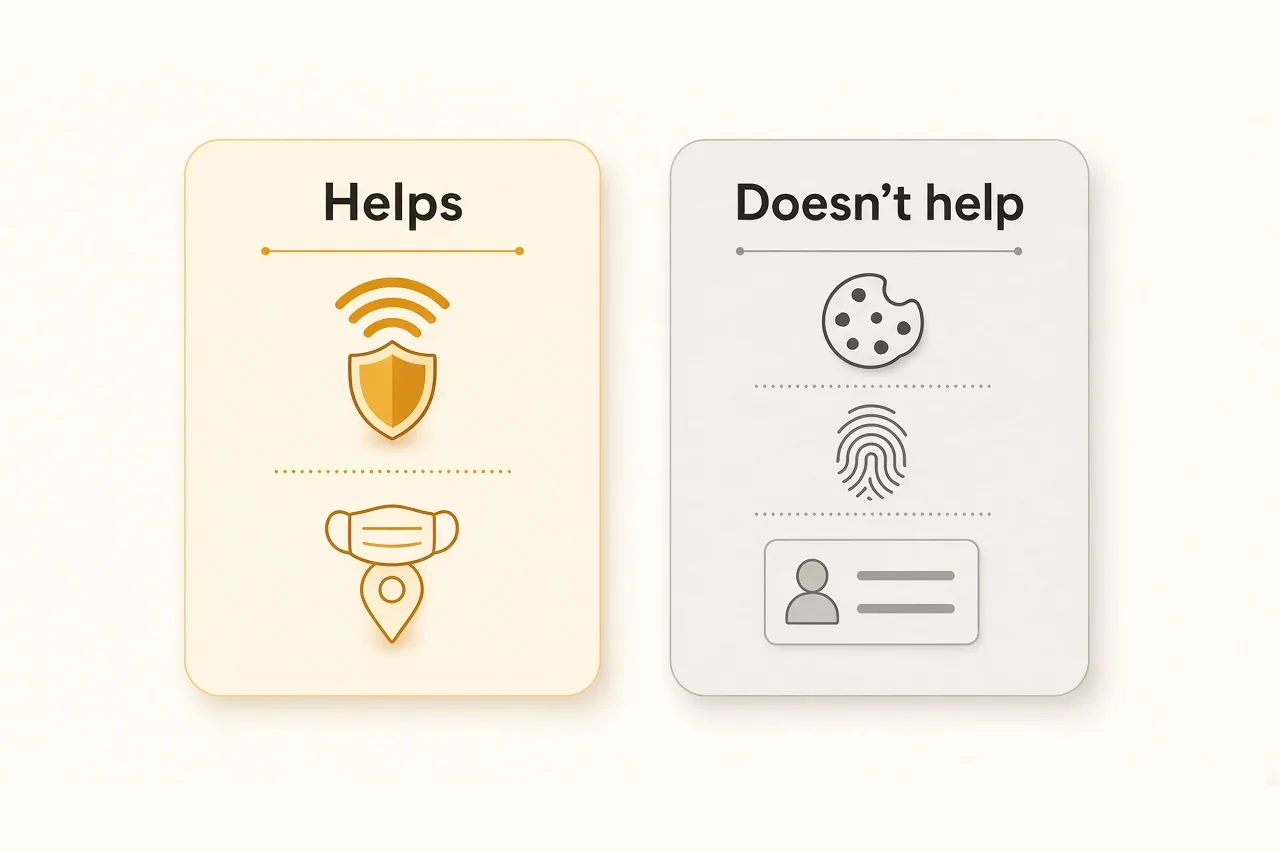
So before the ranking, here's the honest part. A VPN hides your traffic from the Wi-Fi you're sitting on and changes the IP address websites see. It doesn't make you anonymous, it doesn't stop cookies, and it isn't your company's VPN.
I've compared seven VPNs on what bloggers, creators and remote workers actually need: audited no-logs claims, devices, dedicated IPs and the real three-year cost. Prices and audit details come from each provider's own pages, as of 11 October 2026. This is research, not a speed test, and I haven't run a lab benchmark for this post. My pick for each situation is at the end.
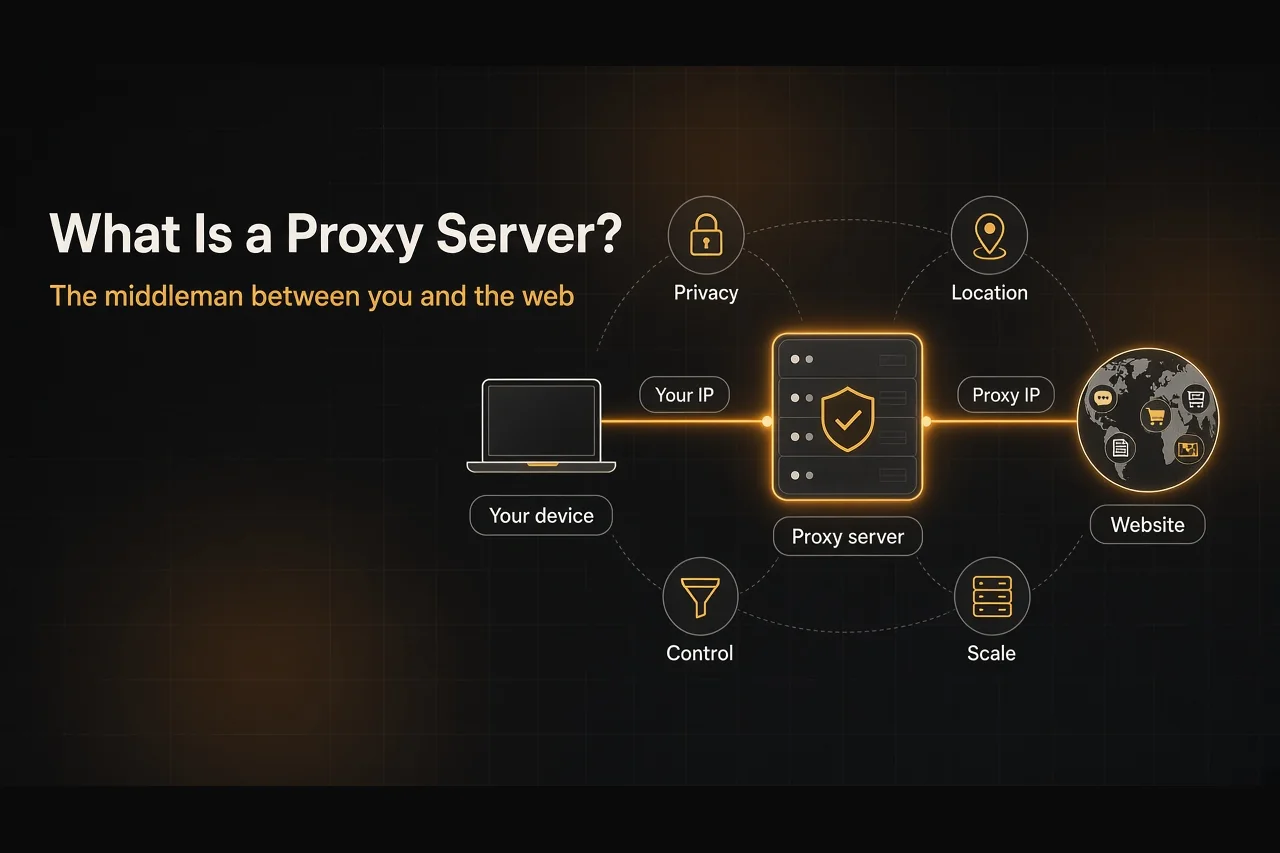
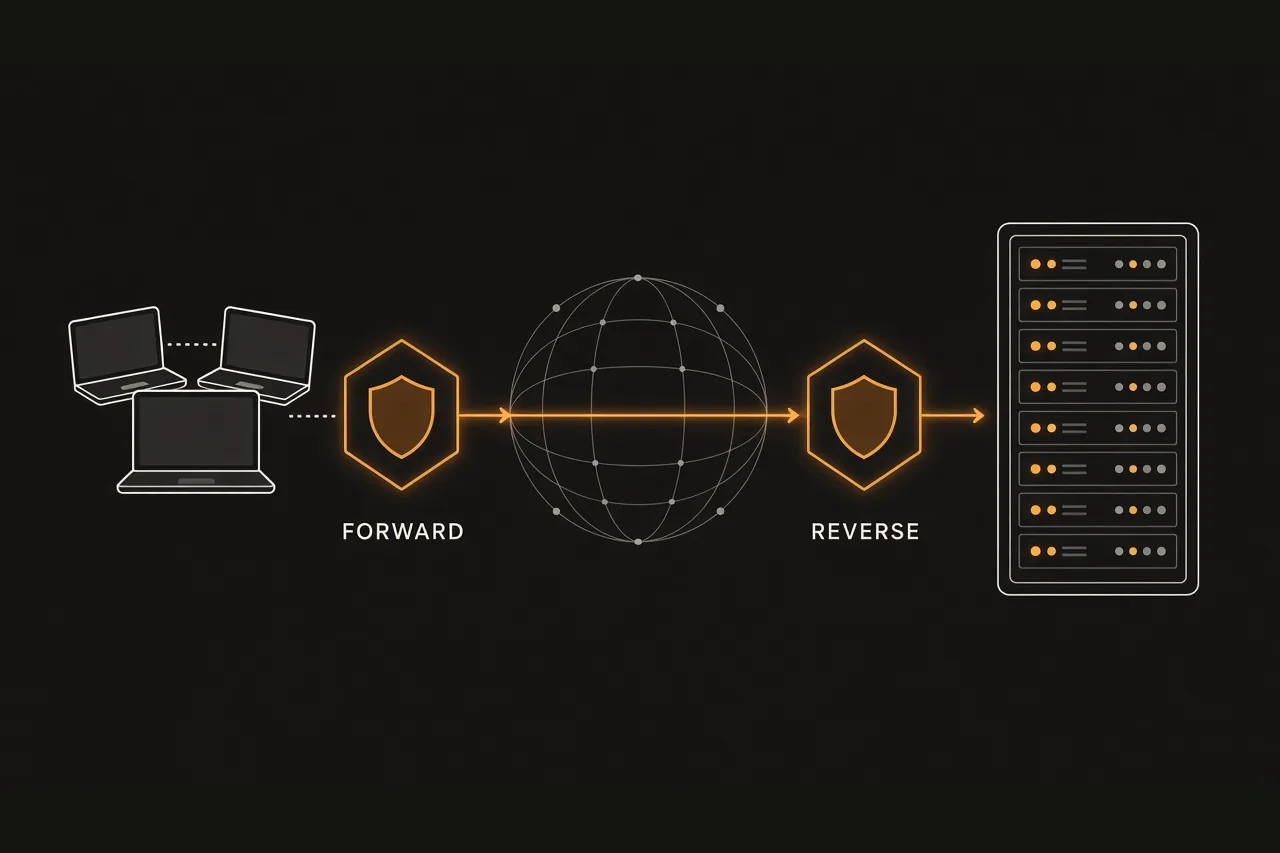
New to the difference between the two? My guide to proxy vs VPN covers it in plain English.
Some links here are affiliate links. They don't change your price or my verdict.

What does a VPN do for bloggers and remote workers?
A VPN (virtual private network) encrypts the traffic between your device and the VPN company's server. Websites then see the server's IP address, not yours.
That's useful in three situations.
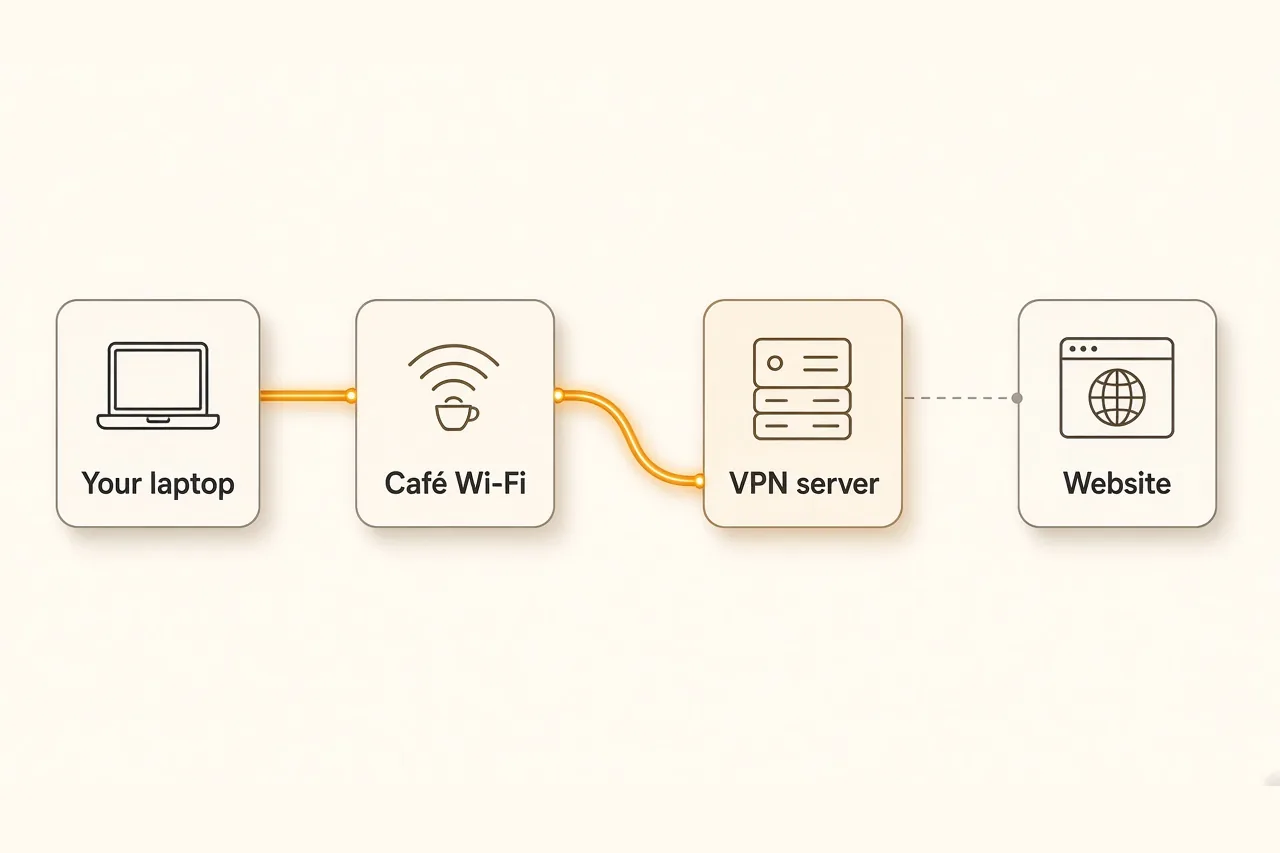
- Public Wi-Fi: the café, hotel or co-working network can't see which sites you visit or what DNS lookups you make. Most pages already load over HTTPS, as Google's HTTPS Transparency Report tracks, so the content is usually encrypted anyway. The VPN hides the rest.
- Seeing another country's version of a site: pricing pages, ad previews and some region-locked tools change by IP address.
- Keeping your home IP out of logs: when you log into client sites or test forms, the server records the VPN's address instead of yours.
What a VPN doesn't do (read this before you buy)
Here's the catch most VPN roundups skip.
A VPN doesn't make you anonymous. The moment you log into Google, Instagram or a client's WordPress dashboard, that site knows exactly who you are. Cookies and browser fingerprinting identify you whatever your IP address says.
It also isn't the right tool for checking rankings in another country. Google's own location help page says it estimates where you are from your device location, your saved home and work addresses, your past activity and your IP address. A VPN changes only the last of those.
For reliable country or city rankings, use the location setting in an SEO tool. My SEO tools for bloggers roundup covers which ones have it.
And it won't protect a hacked site. If your WordPress login is weak, a VPN on your laptop does nothing for the server. That's a job for a WordPress security checklist, not a VPN.
Company VPN or personal VPN: which one do you need?
If you're a remote employee, your company may already give you a VPN. That one has a different job.
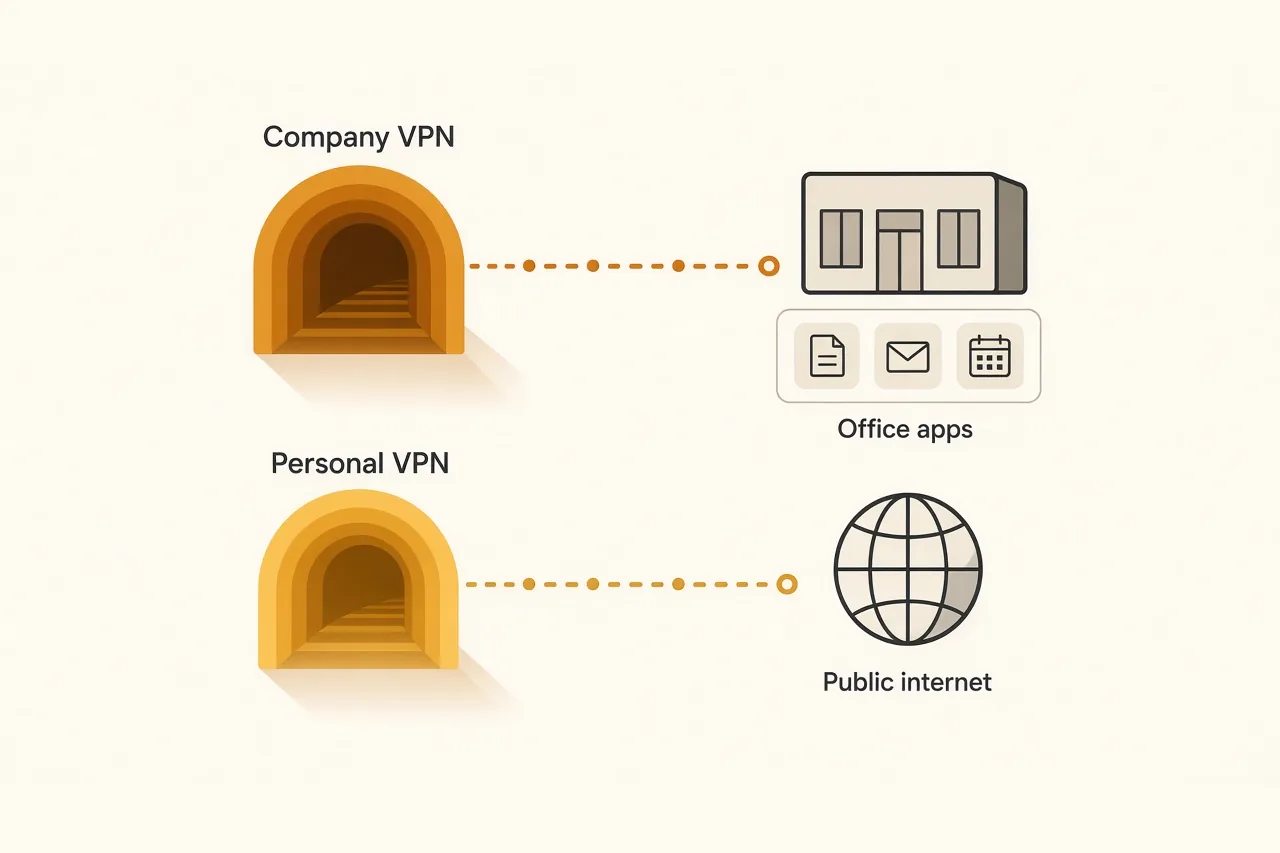
A company VPN connects you into the company's private network so you can reach internal tools, files and servers. A personal VPN like NordVPN or Proton VPN sends your traffic out to the public internet through the provider's servers. One doesn't replace the other.
My take: use the company VPN on the company laptop, and follow your IT team's rules before installing anything else on it. A personal VPN belongs on your own devices. If you run a small team and want a shared private network, that's what business products like NordLayer are for.
A note for creators in India
In April 2022, India's CERT-In issued directions requiring VPN providers to keep subscriber details, including names, assigned IP addresses and usage patterns, for five years.
ExpressVPN responded by removing its physical servers in India and offering virtual India locations hosted in Singapore and the UK. If you need an Indian IP address, check whether a provider's India location is physical or virtual before you buy.
Best VPNs for bloggers and creators compared at a glance
| VPN | Best for | Cheapest long plan | Renews at | Monthly plan | Devices | Latest no-logs audit |
|---|---|---|---|---|---|---|
| NordVPN | All-round creator use | $94.23 for 27 months | $139.08 a year | $14.99 | 10 | Deloitte, Nov–Dec 2025 |
| Surfshark | Unlimited devices on a budget | $67.23 for 27 months | Not published in USD | $17.45 | Unlimited | Deloitte, June 2025 |
| Proton VPN | A real free plan and public audits | $83.76 for 24 months | $83.88 a year | $9.99 | 10 | Securitum, 2026 |
| ExpressVPN | Simple apps, virtual India location | $83.72 for 28 months | $99.95 a year | $14.99 | 10 | KPMG, Feb 2025 |
| Mullvad | Privacy with no account details | €5 a month, any length | €5 a month | €5 | 5 | Police search found no data, 2023 |
| PIA | Cheapest over three years | $79 for 39 months | $79 every 3 years | $11.95 | Unlimited | Deloitte, Jan 2024 |
| NordLayer | Small teams | $8 per user a month, billed yearly | Same | Higher | Per user | Business product |
Prices are in US dollars from each provider's pricing page, as of 11 October 2026 (Mullvad prices in euros). Taxes may apply at checkout.
What does a VPN really cost over three years?
Intro prices are the headline. Renewals are the bill.
Here's what the cheapest VPN-only plan costs if you keep it for about three years, using each provider's published intro and renewal prices.
| VPN | What you pay | Months covered |
|---|---|---|
| PIA | $79 | 39 |
| Proton VPN Plus | $83.76 + $83.88 = $167.64 | 36 |
| ExpressVPN Basic | $83.72 + $99.95 = $183.67 | 40 |
| Mullvad | €5 x 36 = €180 | 36 |
| NordVPN Basic | $94.23 + $139.08 = $233.31 | 39 |
| Surfshark Starter | $67.23, then an unpublished renewal | 27, then unknown |
Paying month to month for the same 36 months costs $359.64 on Proton, $430.20 on PIA, $539.64 on NordVPN or ExpressVPN and $628.20 on Surfshark. That's my arithmetic on today's list prices; renewal prices can change before you reach them.
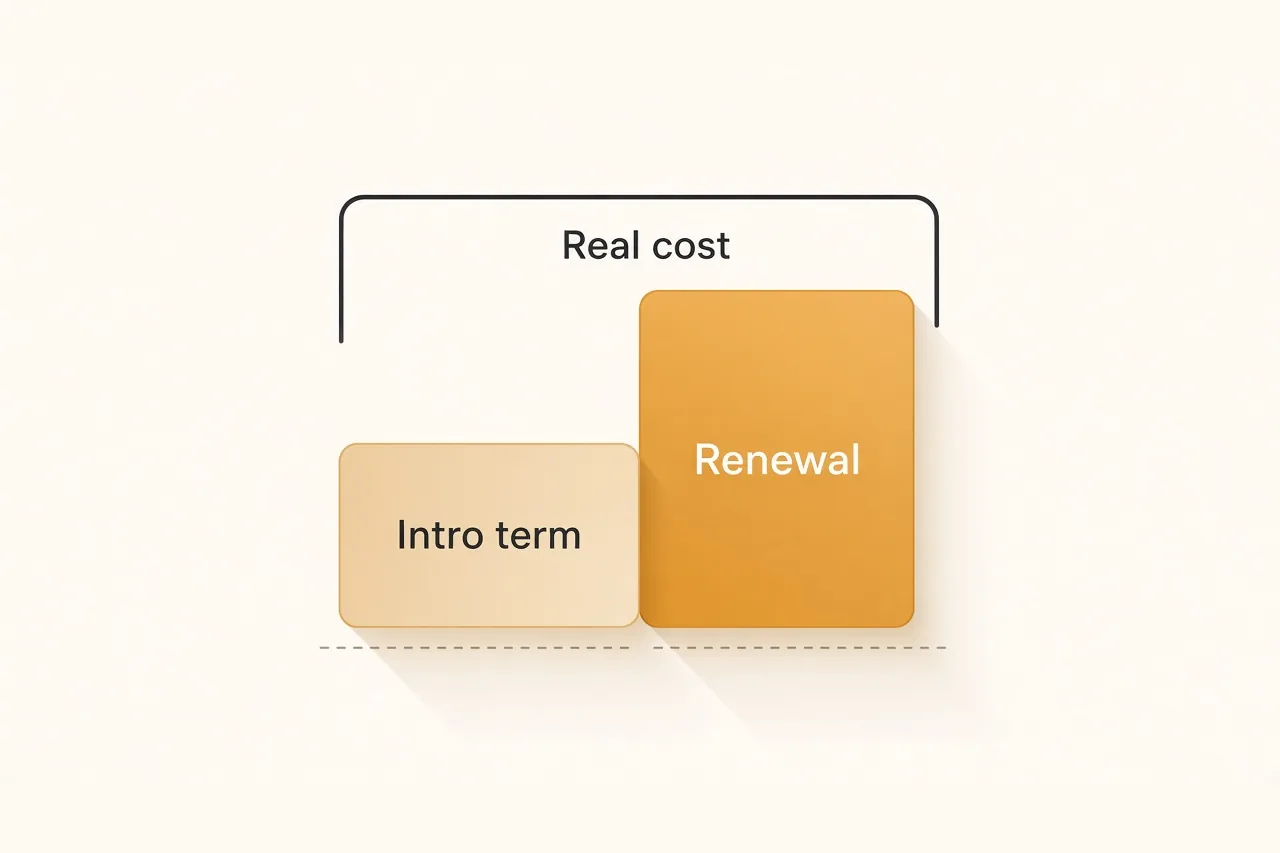
What I'd actually do: buy the long plan, put the renewal date in your calendar, and switch off auto-renew until you've checked the new price.
The 7 best VPNs for bloggers, creators and remote workers
1. NordVPN — the best all-rounder for creators
NordVPN is run by Nord Security, which also makes NordPass and NordLayer. It's the VPN with the longest run of independent no-logs checks on this list: six, the latest by Deloitte Lithuania between 10 November and 12 December 2025.
For bloggers, the useful extra is the dedicated IP add-on. A fixed IP address means you can allowlist it in a firewall or a WordPress security plugin, which shared VPN IPs don't allow.
Standout features:
- 10 devices on every plan
- Dedicated IP available as an add-on at checkout
- Sixth no-logs assurance engagement by Deloitte (ISAE 3000), with the report available in your Nord Account
- Complete and Prime plans add antivirus, a password manager and other security tools
| Pros | Cons |
|---|---|
| Six independent no-logs assurance reports since 2018 | Renews at $139.08 a year on Basic |
| Dedicated IP option for allowlisting | Audit reports are for customers only, not public |
| 30-day money-back guarantee | Higher tiers bundle tools you may not need |
2. Surfshark — unlimited devices on one subscription
Surfshark is a VPN company registered in the Netherlands. Its pitch is simple: one subscription, no device limit.
That suits a creator with a laptop, a phone, a tablet and a smart TV, or a household that shares one account. The catch is renewal. Surfshark says long plans renew at its standard non-introductory price, but its US pricing page doesn't show that number.
Standout features:
- Unlimited simultaneous devices
- Deloitte ISAE 3000 no-logs assurance, published June 2025
- One and One+ add antivirus, breach alerts and data removal
- 30-day money-back guarantee
| Pros | Cons |
|---|---|
| Cheapest first term on the list: $67.23 for 27 months | Renewal price isn't published in USD |
| Unlimited devices | Highest monthly price here, $17.45 |
| Independent audit in 2023 and 2025 | Audit report is for customers only |
3. Proton VPN — a real free plan and public audit reports
Proton VPN comes from Proton AG in Switzerland, the company behind Proton Mail. It's the only VPN here that publishes its full no-logs audit reports for anyone to read.
Securitum has audited its no-logs policy every year since 2022, five in a row, the latest in 2026. Proton also says its no-logs policy has been tested in over 400 legal cases where it had no logs to hand over.
Standout features:
- Free plan with no ads and no data limit (1 device)
- VPN Plus covers 10 devices
- Open-source apps and public Securitum audit reports
- Renewal price close to the intro price on the 2-year plan
| Pros | Cons |
|---|---|
| Usable free plan to start | Free plan is 1 device only |
| Audit reports are public | Fewer extras than Nord or Surfshark |
| Renews at $83.88 a year, near the intro rate | The low price needs a 2-year commitment; monthly is $9.99 |
4. ExpressVPN — simple apps and a virtual India location
ExpressVPN has been audited by KPMG three times on its privacy policy. The latest is an ISAE (UK) 3000 Type I report on its controls as of 28 February 2025, which checks how the controls are designed on that date, not how they performed over time.
It's also the provider that publicly pulled its physical India servers in 2022 and replaced them with virtual India locations, which matters if you need an Indian IP address for testing.
Standout features:
- Basic plan covers 10 devices
- Lightway, its own VPN protocol
- KPMG privacy policy audit, 2025
- Virtual India locations hosted in Singapore and the UK
| Pros | Cons |
|---|---|
| Lower renewal than NordVPN: $99.95 a year | Monthly plan is $14.99 |
| Clear audit scope and date | Type I audit is a point-in-time check |
| Virtual India location after the CERT-In rule | Higher tiers add identity tools you may not need |
5. Mullvad — privacy with no account details at all
Mullvad is a Swedish VPN that doesn't ask for an email address or a username. You get a random account number, and you can pay by card, PayPal, crypto or even cash.
Its no-logs claim had a real-world test. In April 2023, Swedish police arrived at its Gothenburg office with a search warrant for customer data, and left without taking anything because the data didn't exist.
Standout features:
- No email, username or password: a generated account number only
- One flat price of €5 a month, whatever the length
- 5 devices per account
- Cash payment accepted
| Pros | Cons |
|---|---|
| Strongest privacy setup on the list | Only 5 devices |
| No intro-price trap: €5 every month | 14-day money-back, shorter than most |
| Its no-logs claim survived a police search | No long-term discount, so it costs more than PIA over three years |
6. Private Internet Access (PIA) — the cheapest over three years
PIA has been around for more than ten years and allows unlimited devices on one subscription. Deloitte Audit Romania reviewed its no-logs setup under ISAE 3000 (Revised), with the assessment completed in January 2024.
Its 3-year plan is the cheapest long-term deal here by a wide margin: $79 covers 39 months, and it renews at $79 every three years.
Standout features:
- Unlimited devices
- 3-year plan at $79, renewing at the same price
- Deloitte no-logs assurance (limited assurance), January 2024
- 30-day money-back guarantee for new subscribers
| Pros | Cons |
|---|---|
| $79 for 39 months, the lowest total on the list | Oldest audit of the big names here |
| Unlimited devices | Limited assurance, not reasonable assurance |
| Renewal matches the intro price | Monthly plan is $11.95 |
7. NordLayer — for a small team that needs a shared network
NordLayer is Nord Security's business product. Instead of a personal VPN, it gives a team central admin, user management and, on Core and up, private gateways with a dedicated IP.
For a five-person content team or agency, that dedicated gateway IP is the point. You can allowlist one address on client servers and staging sites instead of chasing each person's home IP.
Standout features:
- Central admin and user management
- Virtual Private Gateways with a dedicated IP from Core
- 5 users minimum
- 14-day money-back guarantee
| Pros | Cons |
|---|---|
| One team IP to allowlist on client servers | 5-user minimum |
| Central control over who has access | Core needs a $40-a-month dedicated IP server |
| Built for teams, not households | Overkill for a solo blogger |
How should you read a no-logs audit?
An audit is a snapshot. Deloitte, KPMG and Securitum checked how each provider's servers and processes were set up during a window of days or weeks, and the providers' own write-ups say so.
So weigh three things, in this order: how recent the audit is, whether the report is public (only Proton's are), and whether the claim has survived a real-world test, as Mullvad's did in 2023. A no-logs claim with no audit at all is just a claim.
Which VPN should you pick?
- Solo blogger who wants one strong all-rounder with a dedicated IP option: NordVPN
- Creator with lots of devices, or a household sharing one account: Surfshark
- Want to start free, or want to read the audit yourself: Proton VPN
- Need an Indian IP address for testing: ExpressVPN, checking its virtual India locations
- Privacy matters more than features: Mullvad
- Lowest cost over three years: PIA
- Small team that needs one IP to allowlist: NordLayer
Using a VPN for multiple social or ad accounts is a different problem. A VPN changes your IP, but platforms also check your browser fingerprint, which is what anti-detect browsers are for.
Frequently asked questions
Want one VPN that covers most creator needs? Start with NordVPN, and put its renewal date in your calendar.