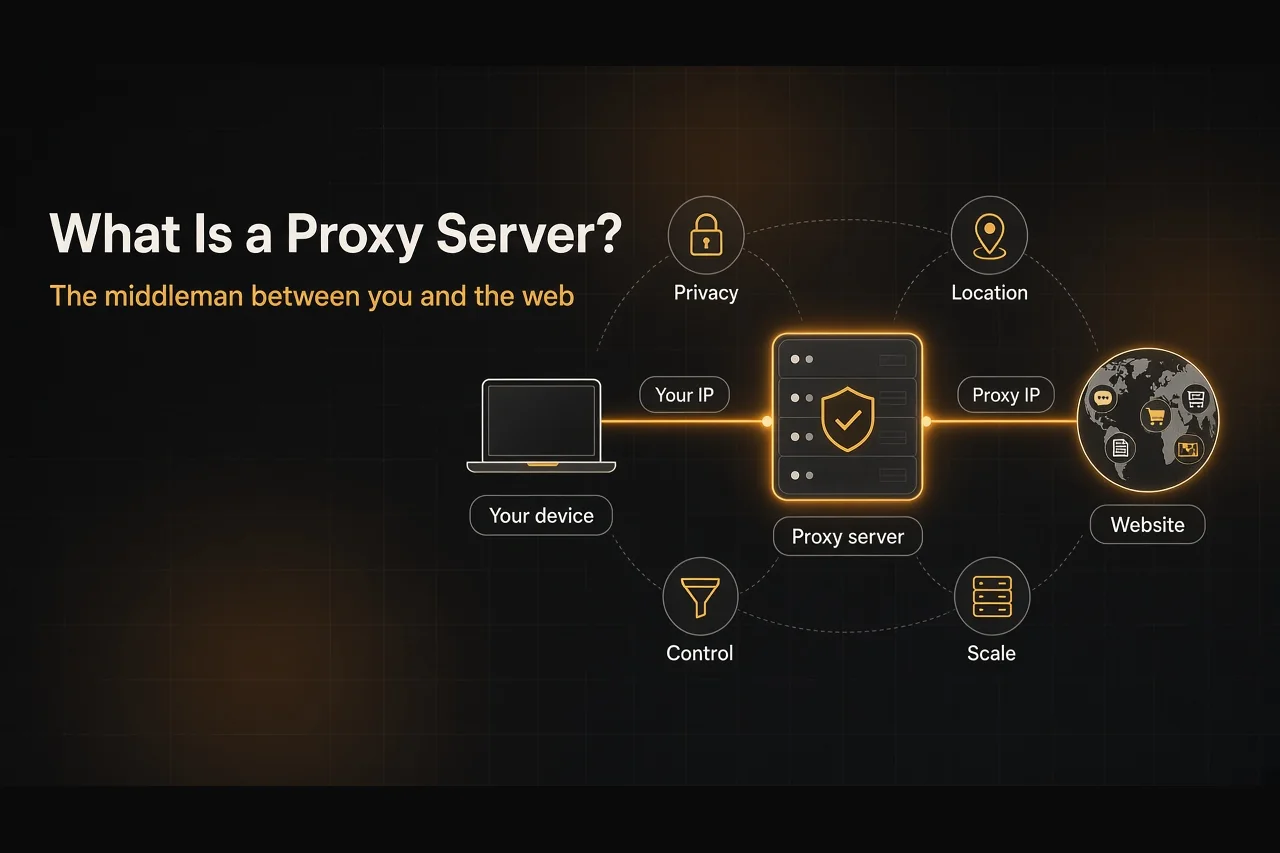
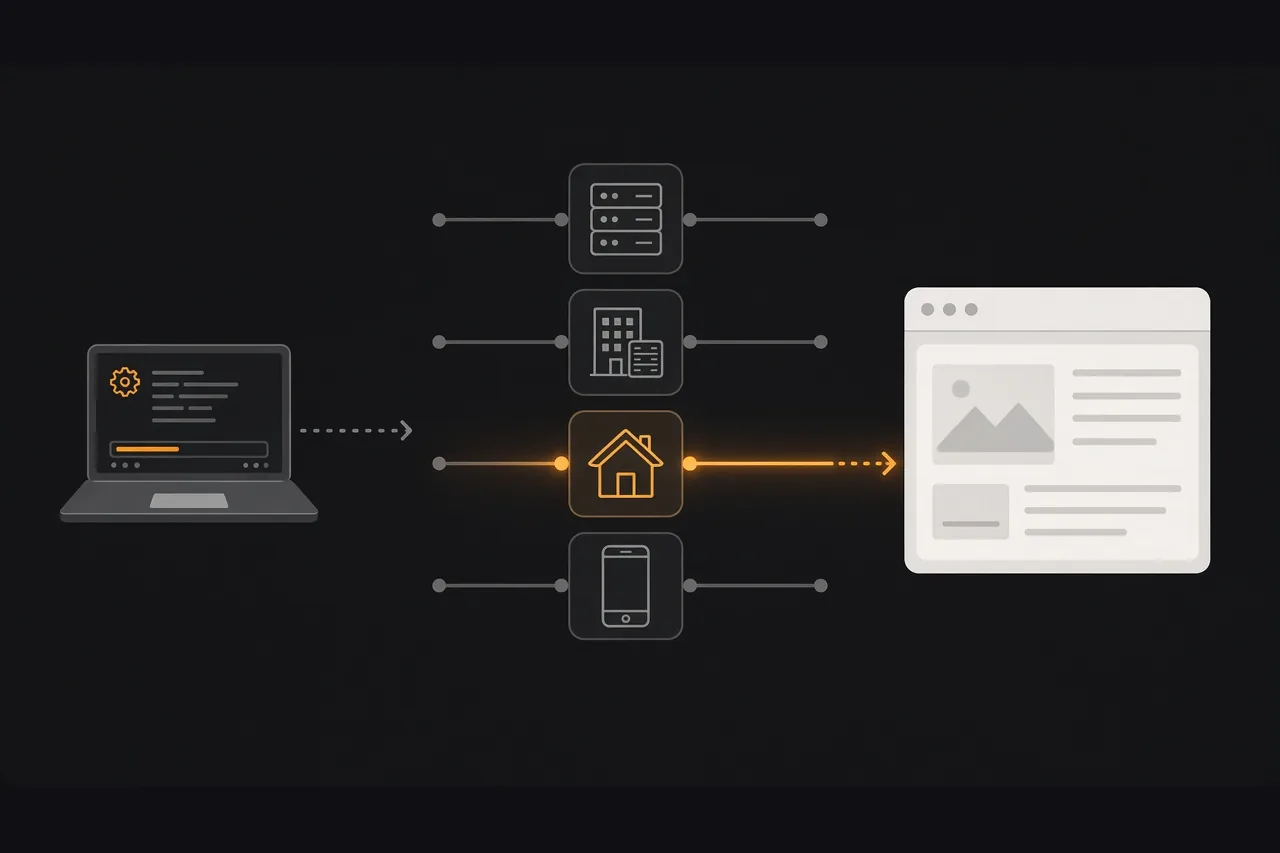
ISP proxies are the middle ground in the proxy market. You get a fixed IP address registered to a real internet provider, like a home connection, but it runs on a server, so it doesn't change and doesn't depend on someone's phone staying online. You usually pay per IP per month instead of per gigabyte.
I've compared nine ISP proxy providers, also sold as static residential proxies, on what you can check without a lab: price per IP, what they say about where the IPs come from, and their KYC (know your customer) checks. Every price comes from the provider's own pricing page, as of 15 October 2026. MarsProxies was added on 27 November 2026, with its prices checked that day.
I haven't benchmarked speed or success rates for this post. Pool sizes and speed figures are the providers' own claims.
If you need rotating IPs billed per GB instead, my comparison of residential proxy providers covers that side.
Some links here are affiliate links. They don't change your price or my verdict.

What is an ISP proxy, and when do you need one?
An ISP proxy is an IP address that belongs to an internet service provider's address range, but is hosted on a server in a data centre. To a website, the IP looks like a regular broadband customer. To you, it behaves like a datacenter proxy: fixed, always on, and usually with plenty of bandwidth.
Bright Data's pricing page describes its ISP network as "real residential IPs provided directly through ISPs", suited to tasks that need "permanent, non-rotating IPs". Rayobyte says its static ISP IPs are registered to home internet providers, and that it gets volume rates from its infrastructure and hosting providers.
ISP proxies make sense when you need the same IP every day:
- Managing a few accounts that should always log in from the same address, alongside an anti-detect browser for the browser fingerprint
- Checking prices, ads or search results from one fixed location over weeks
- Long sessions, such as checkout tests, that break when the IP changes
- Small, steady automations, like the ones in my post on proxies for n8n workflows
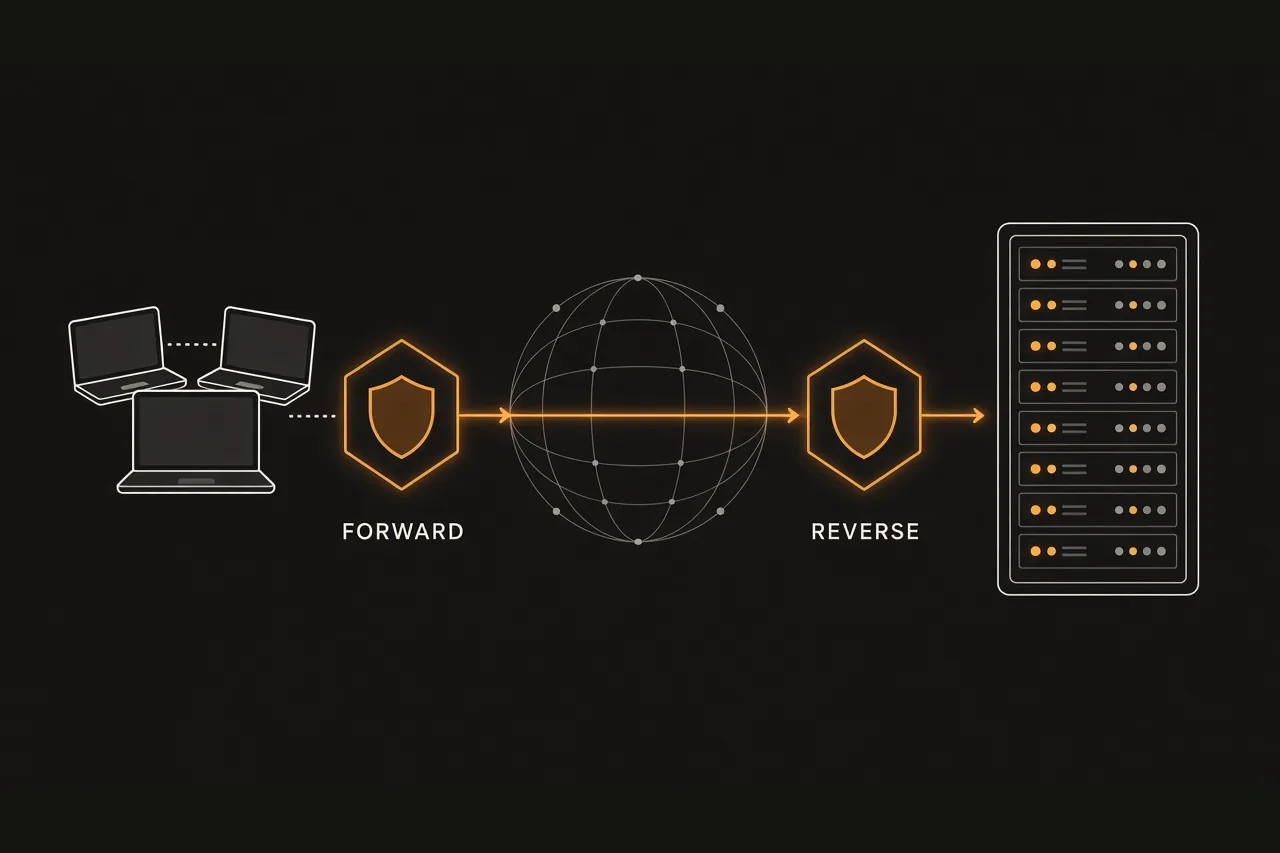
If you need thousands of different IPs for a crawl, rotating residential proxies are the better fit. If you only want privacy on your own device, use a VPN. My proxy vs VPN guide explains the difference.
And if you only need a proxy for one app, such as Telegram, you don't need ISP proxies at all. My guide to Telegram proxies covers simpler options, including running your own.
ISP vs residential vs datacenter proxies: what's the difference?
| ISP (static residential) | Rotating residential | Datacenter | |
|---|---|---|---|
| Who the IP is registered to | An internet provider | An internet provider | A hosting company |
| Where it runs | A server | Someone's home device | A server |
| IP changes | No, it's yours for the plan | Yes, per request or session | No, unless you rotate |
| Usual billing | Per IP per month | Per GB | Per IP or per GB |
| Best for | Fixed identity, long sessions | Large crawls, many locations | Cheap volume on easy sites |
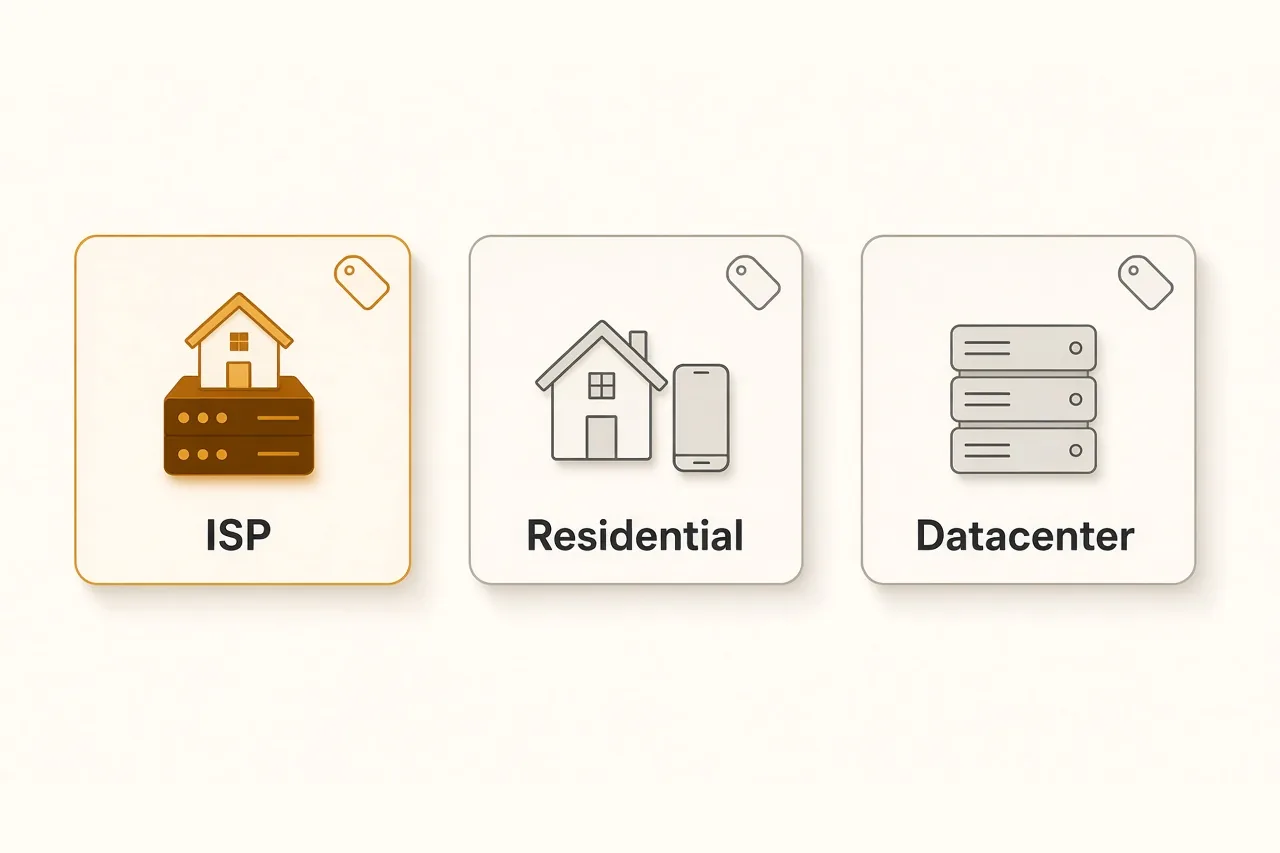
The one to watch is the line between ISP and residential. An ISP proxy should run on the provider's servers, not on people's devices, so ask the seller to confirm it. That matters, because the peer-device side of the market is where the 2026 botnet problems were.
Why does sourcing and KYC still matter for ISP proxies?
ISP proxies are less exposed to hijacked-device problems, but they aren't immune to bad buyers or resellers.
In July 2026, Google's threat intelligence team described its action against NetNut, a large proxy network, in a post on disrupting malicious residential proxy networks. Google said it had high confidence that "many popular residential proxy brands are in fact whitelabeling the NetNut botnet".
NetNut's site showed an FBI seizure notice when I checked on 13 October 2026. I've left it out of this list.
Here's what you can check yourself before buying:
- Does the provider say where its ISP IPs come from, and that they run on its own servers?
- Does it run KYC on customers, and what does it block?
- Does it publish an abuse process?
- Does the IP's owner, which you can look up with any IP lookup tool, match the internet provider the seller claims?
Best ISP proxy providers compared at a glance
| Provider | Entry price per IP | Lowest listed rate | Billing | KYC published | Pool size (provider's claim) |
|---|---|---|---|---|---|
| Decodo | $3.33 dedicated (3 IPs), shared from $0.27 | $2.50 dedicated (200 IPs) | Monthly | Yes, at sign-up | Not stated on the pricing page |
| Oxylabs | $1.50 (inside a $30 Starter plan) | $1.10 (2,270+ IPs) | Monthly subscription | Yes, every customer | Not stated on the pricing page |
| MarsProxies | $1.39 for 1 day, $2.99 for 30 days | $2.09 (1,000 IPs, 30 days) | 1, 30 or 90 days | ID checks to unlock banks, .gov and mail | 1M+ IPs in 190+ locations |
| Bright Data | $1.80 shared, $3.50 dedicated (10 IPs) | $1.30 shared (1,000 IPs) | Monthly | Stated for residential and mobile | 1.3M+ IPs |
| Webshare | $0.30 (20 IPs, $6 a month) | $0.225 (10,000 IPs) | Monthly | ID checks for some targets | 100K+ proxies |
| IPRoyal | $1.80 for 24 hours, $2.70 for 30 days | $2.40 (90 days) | Per proxy, 1 to 90 days | Yes | 31+ countries |
| ProxyEmpire | $3.50 (1 IP) | $2 (volume) | Monthly | Not stated on the pages I checked | 24 countries |
| Proxy-Seller | From $0.98 (headline) | Enterprise rates via sales | 1 week to 12 months | Not stated on the page I checked | Not stated |
| Rayobyte | $5 (5 to 99 IPs) | $0.95 (enterprise, via sales) | Monthly | Yes, with ID | 6 countries |
Prices are in US dollars from each provider's pricing page, as of 15 October 2026 (MarsProxies as of 27 November 2026), before VAT or sales tax. Some providers price by country, so your figure may differ.
What do 10 ISP proxies cost a month?
Per-IP rates hide minimum orders, so here's the same order on each provider's cheapest listed option. These are my sums from their pricing pages.
| Provider | 10 IPs for a month | Notes |
|---|---|---|
| Decodo | $29 dedicated | Shared IPs cost less |
| Oxylabs | $15 of usage | Needs the $30 a month Starter subscription |
| MarsProxies | $27.80 | 30-day term, 100 GB per IP pooled |
| Bright Data | $18 shared, $35 dedicated | 100 GB fair use per IP |
| Webshare | $6 | Smallest plan is 20 IPs |
| IPRoyal | $27 | 30-day term, starting price |
| ProxyEmpire | $29 | 100 GB soft cap per IP |
| Proxy-Seller | Check the configurator | Price depends on country and term |
| Rayobyte | $50 | Minimum 5 IPs |
The 9 best ISP proxy providers in 2026
1. Decodo: best for most teams
Decodo (formerly Smartproxy) sells ISP proxies three ways: dedicated per IP, shared per IP, and shared per GB. Dedicated plans start at 3 IPs for $9.99 a month, which is the easiest small order in this list.
Decodo's pricing page describes them as "static IPs with ISP origin" on premium ASNs. New customers go through an automatic check and then KYC, according to its sourcing page.
| Pros | Cons |
|---|---|
| Dedicated IPs from just 3 | Dedicated IPs cost more than Webshare's |
| Shared and per-GB options too | VAT is added on top of listed prices |
| 14-day money-back guarantee | Pool size not stated on the pricing page |
2. Oxylabs: best for compliance-heavy teams
Oxylabs puts all its products in one subscription, and ISP proxies are billed per IP inside it. The rate is $1.50 per IP for small orders, falling to $1.10 above 2,270 IPs. It also sells a separate Dedicated ISP product.
Oxylabs says every customer completes a KYC questionnaire, the strictest stated policy in this list. That's slower to start, but it's what a company with a compliance team usually wants.
| Pros | Cons |
|---|---|
| KYC for every customer | You need a subscription, from $30 a month |
| Low per-IP rate at volume | Overkill for a handful of IPs |
| $5 free credits to start | Dedicated ISP is a separate product |
3. MarsProxies: best for testing before you commit
MarsProxies sells dedicated ISP proxies one IP at a time, on 1-day, 30-day or 90-day terms. A single IP costs $2.99 for 30 days, and one day costs $1.39 per IP, the cheapest short option in this list.
Each IP comes with 100 GB of traffic a month, pooled across your order, so 10 IPs share 1,000 GB however you split it. Past that, the FAQ says the proxies keep working at reduced speed. The product page headline still says "unlimited bandwidth", so plan on the FAQ's 100 GB.
There's no KYC when you buy. Its acceptable use policy blocks bank, .gov and mail sites for static residential customers until you complete ID verification. It supports HTTP(S) and SOCKS5, claims over 1M IPs in 190+ locations, and charges a small extra fee for city or state targeting.
| Pros | Cons |
|---|---|
| Dedicated IPs from just one | No KYC before you buy |
| $1.39 for a one-day test | 100 GB per IP, then slower speeds |
| Bandwidth pooled across your IPs | Some countries and city targeting cost more |
4. Bright Data: best for choosing shared or dedicated
Bright Data has the largest claimed ISP pool here, at 1.3M+ static residential IPs. You pick shared IPs, used by other customers too, or dedicated ones that only you use, and both are billed per IP each month. Each IP includes 100 GB of fair use a month.
Its FAQ states KYC for its residential and mobile networks. It doesn't say the same for ISP proxies, so ask if that matters to you.
| Pros | Cons |
|---|---|
| Shared and dedicated tiers | Prices shown in local currency, billed in USD |
| Large claimed pool | Monthly commitments don't roll over |
| SOCKS5 through its Proxy Manager | KYC wording covers residential and mobile only |
5. Webshare: cheapest place to start
Webshare's static residential proxies cost $0.30 per IP, starting at 20 IPs for $6 a month. That's the lowest entry price in this list by a long way. Its page names AT&T, Sprint and Cox as source ISPs and claims 100K+ proxies.
The low price comes with limits. Bandwidth is "up to unlimited" under a fair usage policy, and Webshare uses ID checks for some targets and usage levels.
| Pros | Cons |
|---|---|
| Lowest per-IP price | Minimum order of 20 IPs |
| HTTP and SOCKS5 | Fair usage policy on bandwidth |
| Yearly billing saves more | Fewer published sourcing details |
6. IPRoyal: best for short projects
IPRoyal is the only provider here that sells ISP proxies for a single day. A proxy costs from $1.80 for 24 hours, $2.70 for 30 days, or $2.40 a month on a 90-day term. It claims ISPs in more than 31 countries.
IPRoyal publishes a KYC policy and supports HTTP(S) and SOCKS5.
| Pros | Cons |
|---|---|
| 24-hour option for quick tests | Monthly rate is higher than Webshare's or Bright Data's shared tier |
| No subscription | Prices are "starting from" and vary by location |
| Published KYC policy | Longer terms needed for the best rate |
7. ProxyEmpire: simple pricing from one IP
ProxyEmpire sells dedicated static residential IPs from a single IP at $3.50 a month, with volume rates as low as $2. It lists 24 countries and unlimited traffic with a 100 GB monthly soft cap per IP.
I couldn't find a KYC or sourcing page for this product on the pages I checked, and its pricing page shows a different ISP starting price from the product page.
| Pros | Cons |
|---|---|
| Buy just one IP | No published KYC on the pages I checked |
| 24 countries | Two different prices shown on its site |
| No per-GB fees | 100 GB soft cap per IP |
8. Proxy-Seller: flexible terms
Proxy-Seller sells ISP proxies from one IP, on terms from one week to 12 months, with discounts for longer terms. Its headline price is from $0.98 per IP, and the exact price depends on the country and term you pick in its configurator.
It supports HTTP, HTTPS and SOCKS5 and says it holds ISO 27001 and ISO 9001 certifications. Its ISP page doesn't describe customer KYC.
| Pros | Cons |
|---|---|
| Terms from one week | Headline price needs the configurator to confirm |
| Buy a single IP | No KYC details on the page I checked |
| Several countries | Sourcing described only as "ethically sourced" |
9. Rayobyte: best for transparent sourcing
Rayobyte is the most expensive at small volumes, at $5 per IP for 5 to 99 IPs. In return, it's the clearest about what you're buying: IPs registered to home internet providers in six countries, with published ethics, abuse and KYC pages.
It runs KYC through an identity provider and lets you swap any IP from the dashboard.
| Pros | Cons |
|---|---|
| Clear sourcing and KYC | Highest small-order price here |
| Swap IPs any time | Only six countries |
| Unlimited bandwidth with fair use | Best rates need a sales contract |
What about SOAX?
SOAX sells ISP proxies, but not per IP for small buyers. Its pricing page says ISP traffic comes out of the same per-GB credits as residential and mobile traffic, and per-IP pricing for dedicated ISP proxies starts at 300 IPs through sales. If you want a fixed bill for a fixed set of IPs, the providers above are a better fit.
How should you choose an ISP proxy provider?
- Count the IPs you need for a month, then compare the total, not the per-IP rate.
- Decide between shared and dedicated. Shared IPs are cheaper but another customer's behaviour can affect them.
- Check the countries. Several providers here cover only a handful.
- Read the fair use terms. "Unlimited" usually has a cap.
- Expect KYC, and treat a provider with no published process as a risk.
- Don't use any proxy to scrape Google Search. Google's spam policies call automated queries a violation, as I explain in why Google shows CAPTCHAs on a VPN.
Which ISP proxy provider should you pick?
- Small team that wants a few dedicated IPs: Decodo
- Company that needs strict KYC: Oxylabs
- Testing one IP for a day before you scale: MarsProxies
- Choice of shared or dedicated at scale: Bright Data
- Lowest price for testing: Webshare
- A day or a week of use: IPRoyal or Proxy-Seller
- One IP on a monthly plan: ProxyEmpire
- Sourcing transparency first: Rayobyte
Frequently asked questions
For most teams, Decodo is the easiest place to start: dedicated IPs from three, clear monthly pricing and a published KYC process.